
At YIMBY Plymouth we have one simple goal—bringing more housing to Plymouth. We believe that when excessive and outdated regulations are reformed, property owners can exercise their rights in ways that will best meet the demand for more housing. Examples of the types of additional housing we'd like to see in Plymouth are backyard accessory dwelling units (ADUs), smaller houses on smaller lots, duplexes and triplexes permitted in more areas, and multifamily buildings.
We hope you'll agree that our mission is neither extreme nor unfamiliar to Plymouth. We are not proposing high rises or working against single family housing (we want more of that, too!), but we are advocating for more of everything else that already exists around Plymouth. And increasing the supply will help combat skyrocketing housing costs.
In this edition we will: (1) introduce readers to the founders of YIMBY Plymouth; (2) give a quick update on housing bills introduced in Lansing; (3) share some themes from local Commission meetings; and (4) share the time and place of our next meeting.
Meet the Leads
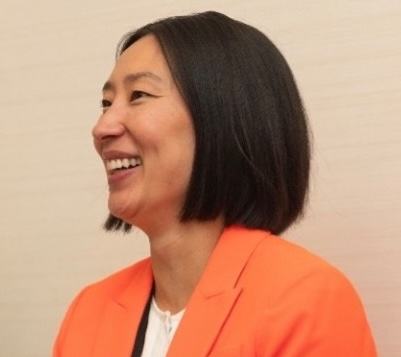
We are Plymouth residents Jaimie Cavanaugh and Allen Marecki.
Last summer, we started hearing strong opposition to local housing proposals and felt our beliefs were not being represented at public meetings. We figured others around town felt the same and the idea to start YIMBY Plymouth was born.
Jaimie grew up in Royal Oak and has spent her professional life as a non-profit attorney. After litigating for 11 years on behalf of clients pro bono, she now works with regulators around the country to end overly burdensome laws.
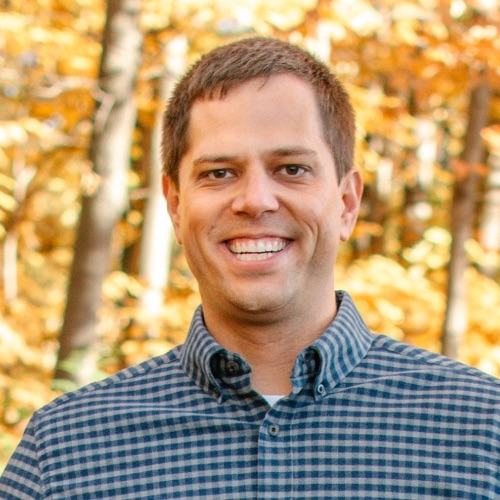
Allen is an electrical engineer at Bosch. He grew up in Plymouth Township and Northville Township and has lived in Plymouth since 2011. He has two sons at Bird Elementary School.
Neither of us were active in local politics before founding YIMBY Plymouth. We are excited about the level of engagement we’re already receiving and looking forward to growing this group.
Housing Readiness Bill Package
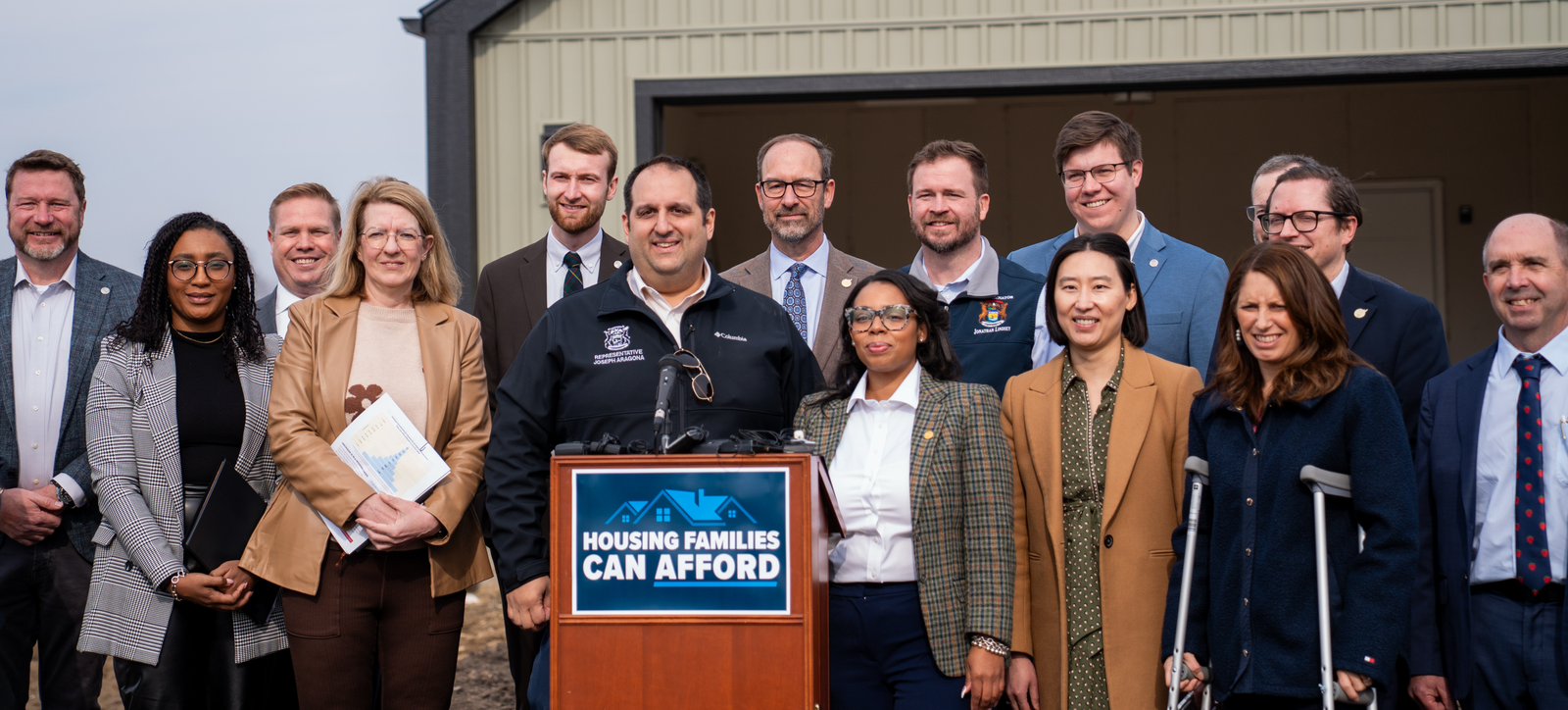
Last Tuesday, Jaimie joined a bipartisan group of state lawmakers at a construction site in Lansing as they announced a 9-bill package called the Housing Readiness Package.
These bills would eliminate some standard barriers to building more housing—especially infill development. They do things like allow for accessory dwelling units and duplexes in existing residential areas, lower minimum lot size and minimum square footage requirements, reform the current re-zoning protest process, and add deadlines for local site plan review.
Like any legislation, it’s impossible to predict if these bills will pass. Still, YIMBY Plymouth supports these bills and commends the sponsors for working on this issue. These bills align with Governor Whitmer’s calls to “build, baby, build,” and will inject more certainty and predictability into the building process. If you’re interested in learning more about these bills or opportunities to engage, please reach out to us.
Local Topics
YIMBY Plymouth is a local, grassroots group. Most of our time and effort go toward attending local meetings, talking to neighbors, and looking for opportunities to advance pro-housing policies in Plymouth. While there are no specific proposals pending, the City Commission recently finalized its one-year tasks for 2026.
As relevant to us, the City Commission plans to explore a residential compatibility ordinance and give direction to the Planning Commission on updating the minimum lot size/width.
A compatibility ordinance would create conditions/restrictions to ensure that new-builds match the existing character of the neighborhood. Regarding lot sizes, YIMBY Plymouth supports lowering the minimum lot size/width. Having a large minimum lot size, coupled with restrictions on alternative types of housing, encourages developers to build the largest home allowable on each lot. Allowing for more flexibility in lot size would allow for alternatives to large new-builds. We will explain both topics in more detail in a future newsletter.
We look forward to the City Commission and Planning Commission’s review of compatibility and minimum lot size and plan to continue voicing our opinion, but we need other voices as well. Opponents of reforms are overrepresented at community meetings and leaders need to hear from other perspectives. As we move forward, please consider writing to Commissioners or speaking at a local meeting when housing issues come before them. We will be sure to notify this list when opportunities arise.